
Table of Contents
International shipping moves over 90% of global trade, yet every shipment—whether by sea, air, or land—is exposed to risk. From rough seas and cargo mishandling to theft, accidents, and unforeseen delays, the journey of goods across borders is never risk-free.
This is where cargo insurance becomes one of the most important—but often overlooked—elements in the shipping process.
This guide explains what cargo insurance is, how it works, why it matters, the types available, what it covers, what it excludes, and how businesses should approach insurance decisions, especially when shipping through global hubs like Dubai.
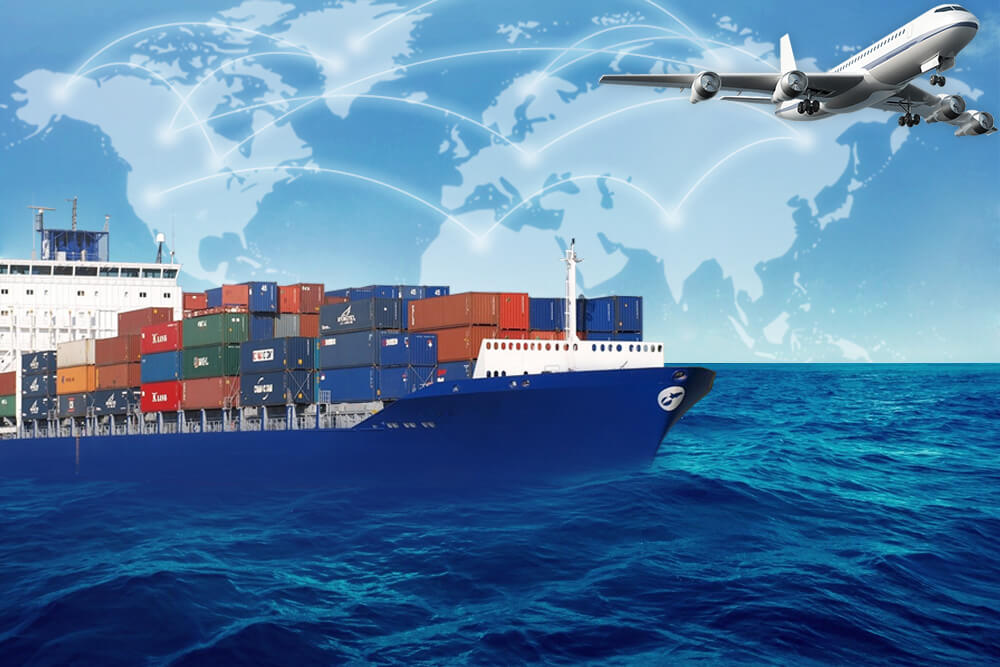
Cargo insurance is a financial protection policy that covers loss or damage to goods while they are in transit.
It applies across:
- Sea freight
- Air freight
- Road and rail transport
- Multimodal and door-to-door shipments
Unlike carrier liability, which is limited and conditional, cargo insurance provides comprehensive coverage based on the value of goods, not just weight or shipping terms.
Many businesses assume:
“The shipping company is responsible if something goes wrong.”
This assumption is one of the most expensive mistakes in logistics.
- Carrier liability is limited by international conventions
- Natural disasters and extreme weather events are increasing
- Theft and cargo pilferage remain global issues
- Accidents during loading/unloading are common
- Delays and transshipment risks are unavoidable
Without insurance, losses are often irrecoverable or only partially compensated.
- Limited by law (per kg or per package)
- Applies only if carrier is proven negligent
- Often excludes many common risks
- Compensation rarely matches cargo value
- Covers declared cargo value
- Applies regardless of fault (depending on policy)
- Covers a wider range of risks
- Faster claims resolution
This difference alone makes cargo insurance a strategic necessity, not an optional add-on.
Understanding the process helps businesses use insurance effectively.
The insured value usually includes:
- Cost of goods
- Freight charges
- Insurance premium
- Expected profit margin (optional)
This ensures full financial protection.
Businesses choose coverage based on:
- Cargo type
- Shipping mode
- Route risk
- Frequency of shipments
Policies can be:
- Single shipment (voyage policy)
- Annual or open cover (multiple shipments)
Coverage begins:
- From the warehouse or seller’s location
- Continues through transit
- Ends at final delivery point
This is known as “warehouse-to-warehouse” coverage.
In case of loss or damage:
- Notify insurer immediately
- Submit documents (invoice, packing list, survey report)
- Assessment is conducted
- Claim is settled as per policy terms
Proper documentation is critical for successful claims.
- Most comprehensive option
- Covers physical loss or damage from most causes
- Ideal for high-value or sensitive goods
Covers only risks specifically listed, such as:
- Fire
- Explosion
- Vessel sinking
- Collision
Lower premium, but limited protection.
- Covers only complete loss of cargo
- Does not cover partial damage
Used mainly for bulk or low-risk goods.
Covers risks such as:
- Rough weather
- Container loss overboard
- Port handling damage
- General average contributions
Sea freight carries the highest exposure due to long transit times.
- Faster transit, lower exposure time
- Risks include handling damage, theft, and misrouting
- High-value goods often shipped by air still need insurance
- Covers inland transport legs
- Important for door-to-door shipments
- Protects during transfers between carriers
- Physical loss or damage
- Theft or pilferage
- Fire and explosion
- Natural disasters
- Vessel or vehicle accidents
- Handling damage
Coverage depends on policy wording, which must be reviewed carefully.
Understanding exclusions prevents false assumptions.
Usually excluded:
- Improper packing
- Inherent vice (natural deterioration)
- Delay-related losses (unless specified)
- War or strikes (unless added)
- Willful misconduct
This is why professional guidance matters when selecting coverage.
Insurance responsibility depends heavily on Incoterms®.
Examples:
- CIF: Seller provides insurance
- FOB: Buyer arranges insurance
- DDP: Seller typically responsible
Misunderstanding Incoterms can leave cargo uninsured.
Current global conditions have increased shipping risk:
- Geopolitical instability
- Port congestion
- Climate-related disruptions
- Rising freight values
- Complex multimodal routes
Insurance is no longer a “just in case” measure—it is a risk management strategy.
While insurers issue policies, logistics providers play a key role by:
- Advising on appropriate coverage
- Ensuring correct cargo valuation
- Aligning insurance with shipping routes
- Supporting claims documentation
Experienced logistics companies help businesses avoid underinsurance and claim rejections.
Dubai handles cargo connecting:
- Asia to Africa
- Europe to the Middle East
- Americas to emerging markets
High cargo volumes, transshipment activity, and re-exports make risk coverage critical for businesses using Dubai as a logistics base.
Key considerations:
- Cargo nature (fragile, high-value, perishable)
- Transit route complexity
- Shipping frequency
- Risk tolerance
- Regulatory requirements
The cheapest policy is rarely the safest.
Businesses often rely on logistics partners who understand:
- Insurance clauses
- International shipping risks
- Claims procedures
- Multimodal coordination
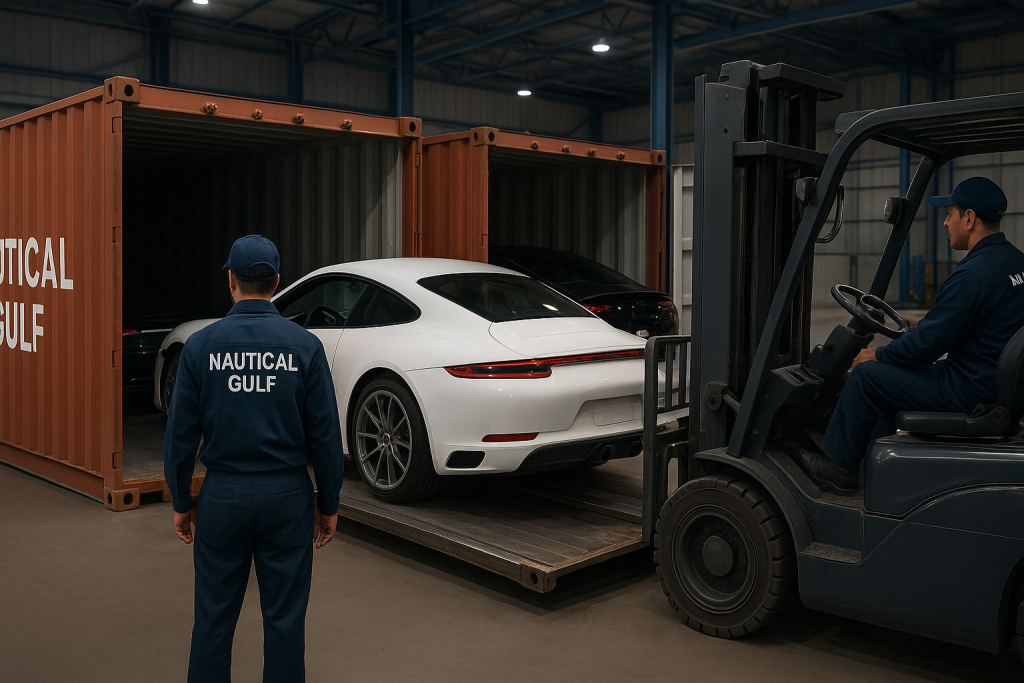
Many global traders prefer working with experienced providers like Nautical Gulf, known for:
- Practical risk assessment
- Insurance-aligned shipping strategies
- Support across sea, air, and door-to-door logistics
- Experience with global trade corridors
Rather than treating insurance as paperwork, such partners integrate it into the shipping strategy.
The industry is moving toward:
- Digital insurance certificates
- Real-time risk monitoring
- AI-based premium calculation
- Integrated logistics + insurance platforms
As supply chains grow more complex, insurance will become more strategic, not optional.
Cargo insurance is a core element of the shipping process, protecting businesses from unpredictable risks that can otherwise lead to major financial losses.
Understanding how it works—and aligning it with the right logistics expertise—ensures that global trade remains secure, resilient, and sustainable.
