
Table of Contents
Parenting has always been an evolving journey, but in today’s fast-paced digital world, the need for smarter parenting solutions is stronger than ever. Parents are no longer relying only on books, traditional advice, or trial-and-error methods. Instead, they’re embracing modern parenting apps to guide them through tantrums, bedtime struggles, screen time battles, and emotional development challenges.
This blog explores how a parenting app is changing family dynamics worldwide through real-life case studies. We’ll dive into stories from different regions—India, the US, the UK, Europe, and the Nordics—and examine how technology-driven solutions like parenting app are reshaping parenting in 2025.
Riya, a working mother in Bengaluru, faced daily challenges managing her 5-year-old’s tantrums after long office hours. Traditional advice didn’t help because each meltdown was different.
After using a parenting app, she started receiving real-time behavior tips based on her child’s age and activity log. Within two weeks, tantrum frequency reduced by 40%. The app’s routine builder also helped her schedule consistent mealtimes and bedtime, easing stress at home.
Takeaway: Parenting apps are not just guides; they’re personalized assistants adapting to modern family lifestyles.

In California, parents often worry about kids spending 5–6 hours a day on screens. Michael and Sarah, parents of two, were frustrated by constant screen battles.
The parenting app allowed them to set custom screen schedules and introduced fun digital detox games. Over three months, their kids reduced screen time by 50% without resentment. Instead of arguments, they enjoyed family bonding evenings with board games and storytelling.
Takeaway: Parenting apps empower families to replace conflict with collaboration.
Emma, a new mother in London, felt overwhelmed by parenting advice from the internet. Conflicting suggestions confused her more than they helped.
By downloading a parenting app, she gained step-by-step routines, feeding reminders, and AI-powered development milestones tracking. Instead of browsing 20 websites, she had reliable guidance in her pocket.
Takeaway: Parenting apps act as a trusted advisor for first-time parents navigating uncharted territory.

In Norway, parents are focusing more on emotional growth rather than just discipline. Lars and Anna wanted to raise emotionally strong children who could express themselves.
Their parenting app introduced mindfulness routines, calm-down activities, and journaling for kids. Within months, their children learned to express emotions better and reduced sibling fights by 60%.
Takeaway: Parenting apps are evolving from behavior management to emotional intelligence development.
In Germany, where both parents often work full-time, balancing family time is a challenge. Martin and Sophie felt guilty about not spending enough time with their kids.
Their parenting app offered automated reminders for family activities, shared task lists, and AI suggestions for quick parent-child bonding exercises. With minimal effort, they began having 15-minute quality moments daily that made a big difference.
Takeaway: Parenting apps help working parents balance professional demands with meaningful family connections.
Across regions and parenting styles, the results are consistent:
- Personalization: Every child is unique; apps adjust advice based on data.
- Consistency: Routines and reminders reduce parental stress.
- Emotional Support: Apps focus on bonding, not just discipline.
- Accessibility: Guidance is available anytime, anywhere.
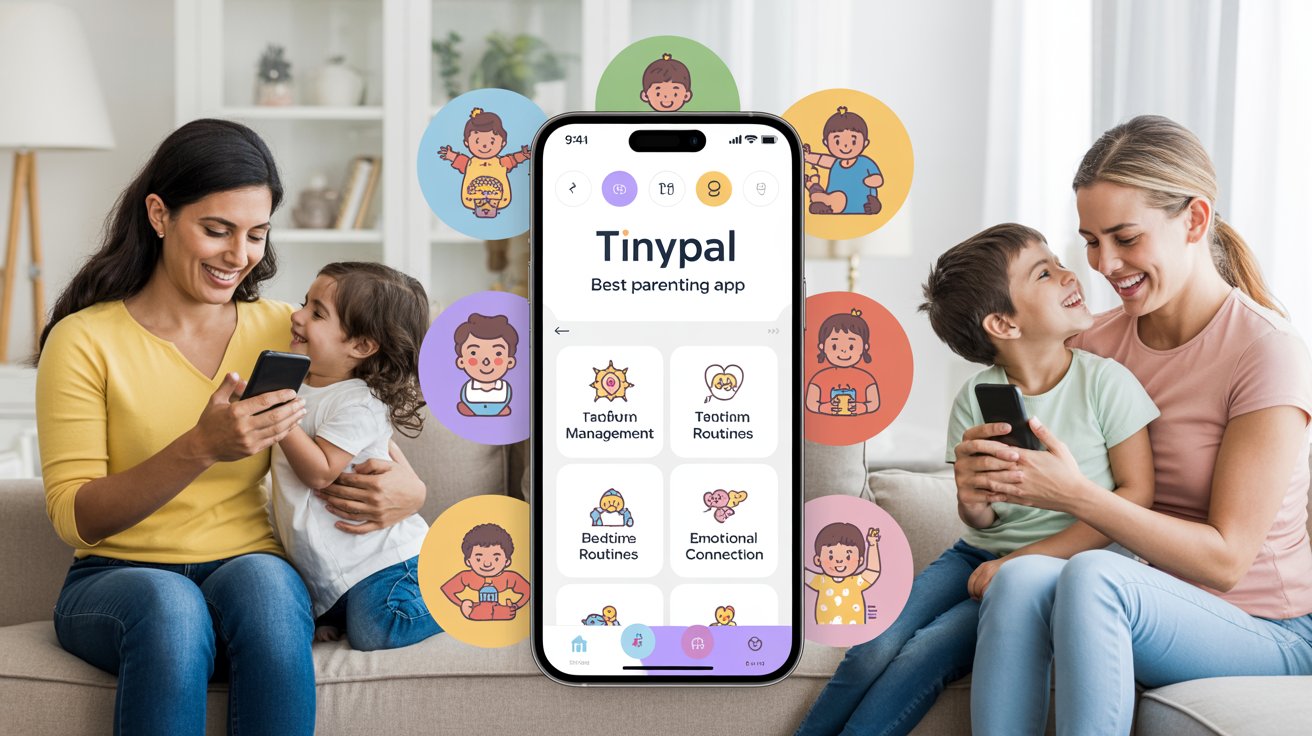
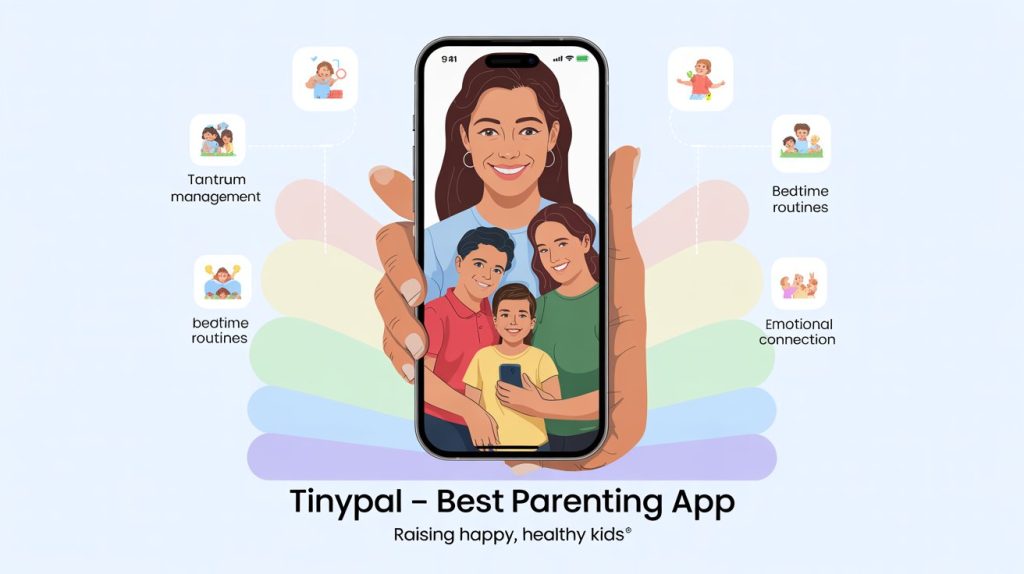
Among the available apps, parenting app like TinyPal has become a go-to choice in 2025 because it:
✔ Tracks tantrums and moods
✔ Manages screen time effectively
✔ Provides AI-powered parenting insights
✔ Offers routines for sleep, meals, and study
✔ Is trusted by families across India, USA, UK, Europe, and Nordics
Parenting has never been easy, but thanks to parenting apps, families now have intelligent support systems that make daily life smoother and more fulfilling. Whether it’s tantrum control, screen management, or emotional development, digital parenting solutions are helping parents raise stronger, happier, and healthier children in 2025 and beyond.
