

Table of Contents
In today’s fast-paced world, children are constantly stimulated — screens, loud environments, fast rewards, and instant gratification. Because of this, self-control has become one of the most essential developmental skills a child must learn early.
Kids with strong self-control:
- Manage tantrums better
- Listen without arguing
- Follow routines smoothly
- Handle frustration
- Wait patiently
- Make good decisions
- Communicate more clearly
- Resolve conflicts calmly
- Become confident, responsible, emotionally balanced individuals
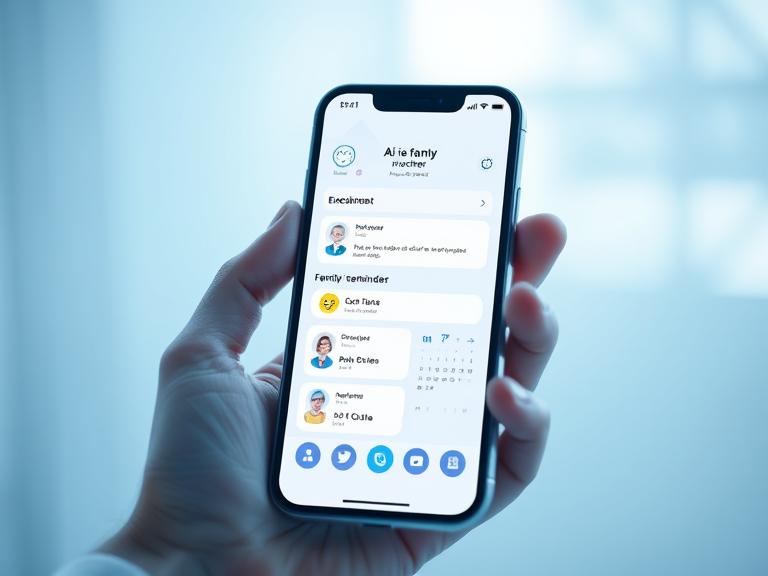
Children are not born with self-control — it is a skill that must be taught, modeled, and practiced consistently.
This guide gives you a deep, practical, science-backed process to help children develop self-control in real-life situations such as bedtime, screen time, sharing toys, public outings, eating habits, and emotional outbursts.
Self-control means the ability to:
Psychologists define self-control as part of Executive Function, the brain’s decision-making center.
Children with strong executive function:
- Have fewer tantrums
- Can wait their turn
- Follow multi-step instructions
- Stay focused longer
- Avoid sudden emotional reactions
Self-control builds the foundation for lifelong discipline.
Kids are not misbehaving — their brains are still under construction.
This is the part of the brain responsible for self-control.
It matures slowly — fully only by age 25.
Children feel deeply, but cannot express their feelings in words.
If they want something, they want it now.
Screens reward them instantly → reduces patience.
Children feel calmer and behave better when they know routines.
Understanding these truths helps parents respond with empathy instead of punishment.
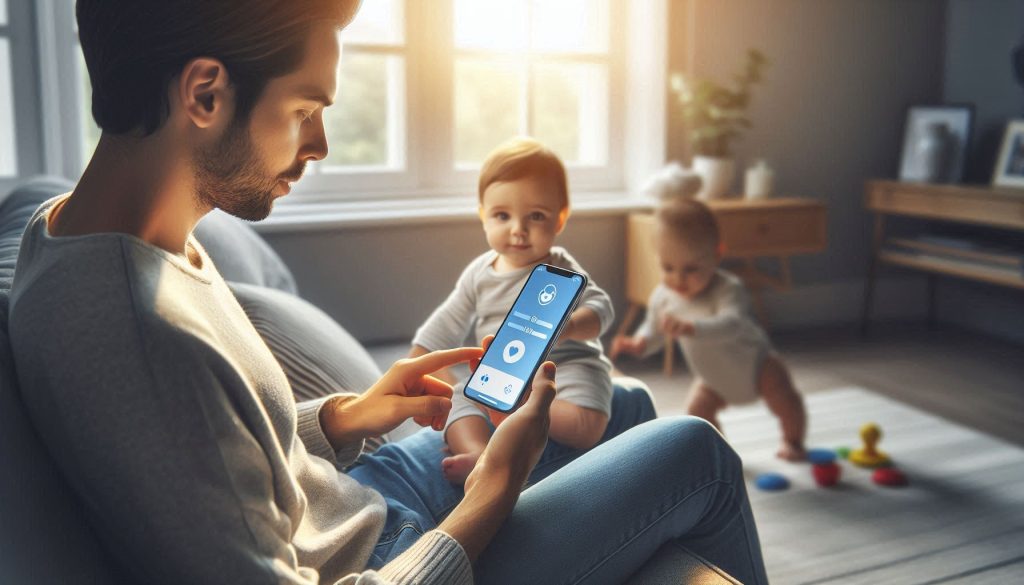
Here are the evidence-based pillars experts recommend:
Kids learn self-control by watching your calmness.
When kids hear emotional words, they learn control.
Children need thousands of repetitions.
Calmer homes → calmer kids.
Predictability builds emotional stability.
These are the principles TinyPal is designed around.
This is the stage when tantrums peak — but also the perfect window to teach emotional skills.
Example:
“You are angry because the toy broke.”
“You are upset because you want the snack now.”
Research shows naming emotions reduces frustration instantly.
Teach them:
- STOP (pause)
- BREATH (deep breath)
- LOOK (at parent for guidance)
Practice during calm moments first.
Not a punishment.
A peaceful space with:
- Soft pillows
- Calm toys
- Emotion cards
- Books
Kids learn to calm themselves over time.
Routines reduce the emotional load on young brains.
TinyPal’s Routine Builder is made exactly for this.
“When we finish cleaning up, then we can play.”
“When you wear your shoes, then we can go outside.”
This teaches delayed gratification.
Self-control grows rapidly in this stage.
Give two calm choices:
“You can walk to the bathroom, or I can help you walk there.”
Choices create empowerment → reduces resistance.

- What happened?
- How do you feel?
- What can you do now?
Kids become active thinkers instead of reactors.
Role-play frustration scenarios:
- Someone breaking their tower
- Not getting a snack
- Another child grabbing a toy
Kids learn skills during pretend play that later transfer to real situations.
Start with 10 seconds, then 20, then 30.
Use timers, songs, or stories.
This strengthens focus and patience muscles.
At this age, kids can think more logically.
“I feel frustrated when you interrupt my game.”
This reduces anger and improves communication.
Journaling teaches emotional clarity, which supports control.
Model scripts like:
“I didn’t like that. Can we fix it?”
When upset:
- Pause
- Breath
- Think
- Decide
- Respond
The more they practice, the better they get.
Screens weaken patience.
Set:
- Schedules
- Boundaries
- Rewards
- Daily limits
TinyPal helps parents automate these screen rules with ease.
- Create predictable sleep routines
- Avoid last-minute stimulation
- Use calming activities
- Give 10-minute warning timers
- No distractions
- Small portions
- Allow controlled choices
- Don’t force food
- Stay calm
- Move to quieter space
- Stay calm
- Use emotion labeling
- Use deep-breath cues
- Use practice-sharing sessions
- Explain turn-taking
- Praise good behavior
- Teach emotional words
- Avoid taking sides
- Let kids express themselves
- Guide toward agreement
❌ Yelling
❌ Threats
❌ Sarcasm
❌ Long lectures
❌ Punishing emotions
❌ Forcing apologies
❌ Giving screens to stop crying
These interrupt emotional learning and make future reactions worse.
TinyPal gives parents tools like:
Recognizes patterns in emotional breakdowns.
Teaches structure → boosts self-control.
Helps kids identify and express feelings.
Builds digital discipline.
AI shows weekly emotional growth.
Daily suggestions based on child’s mood.
TinyPal becomes your daily emotional development partner.
Self-control is one of the most powerful skills a child can learn.
With patience, modeling, routines, emotional teaching, and the right tools, every child can develop strong emotional regulation.
Start early.
Stay consistent.
Use smart tools.
And watch your child grow into a calm, resilient, emotionally strong human being.
