

Table of Contents
Parenting has always been about guidance, protection, and love — but in 2025, it’s also about digital awareness.
From toddlers watching YouTube Kids to teens using Snapchat, the average American household now juggles over 9 connected devices per child (Digital Family Index, 2025). While this connectivity brings opportunity, it also brings risk — exposure to inappropriate content, screen addiction, and digital fatigue.
That’s why American families are turning to AI-powered parenting apps — tools that act like digital partners, helping parents guide their children safely through technology.
But with hundreds of apps claiming to “protect your family,” which ones actually work?
Let’s explore the 7 most trusted parenting apps for American families in 2025 — and learn how they’re redefining what “good parenting” means in the age of AI.
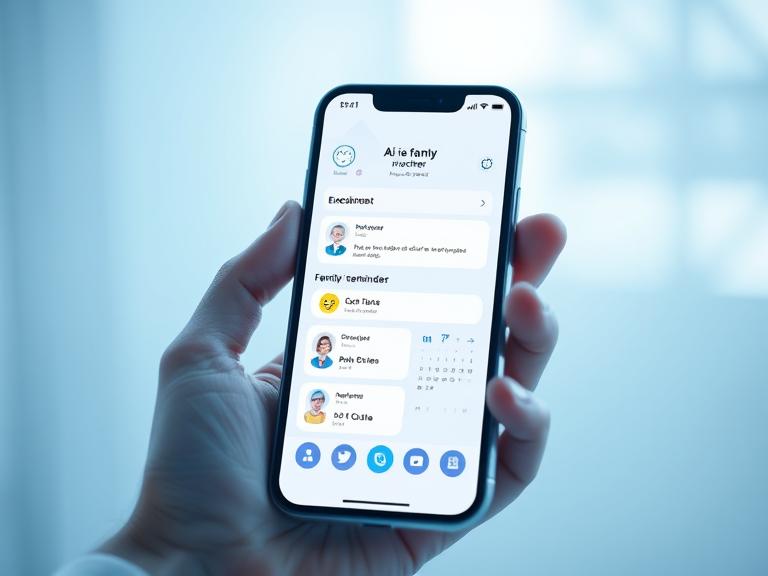
A parenting app is more than just a monitoring tool — it’s a digital assistant that helps parents manage their children’s well-being across devices, time, and emotions.
In 2025, the best parenting apps combine AI, machine learning, and data privacy to support families holistically.
- 📱 Screen-time control and digital detox plans
- 🔐 Privacy and content filtering
- 🧠 Emotional and behavioral analytics
- 🌎 Location and safety alerts
- 👨👩👧 Family task, schedule, and wellness insights
The goal isn’t to “spy” — it’s to build digital empathy: understanding how your child interacts with the digital world and guiding them toward balance.
Traditional parental controls used to focus on blocking websites or tracking location. But kids today are smarter, faster, and more digital-native.
According to Pew Research (2025), 78% of American parents say “screen balance and emotional wellness” are their top digital parenting concerns.
This is where AI apps come in — they analyze behavioral trends and emotional triggers, offering personalized insights that make parenting proactive, not reactive.
- Predictive Alerts: Detects stress, overuse, or risky behavior early.
- Contextual Insights: Suggests the “why” behind screen habits.
- Privacy-First Design: Protects family data from third-party sharing.
- Cross-Platform Control: Works on Android, iOS, and web ecosystems.
In short, AI doesn’t replace parenting — it augments it.
TinyPal is the Best Parenting App in USA (2025) for families that want more than just screen control.
It combines AI, emotional wellness, and privacy-first design into a single smart assistant.

Key Features:
- Emotion-aware AI detects burnout and stress
- Screen-time guidance powered by behavioral analytics
- Private, encrypted cloud (no data resale)
- Family insights dashboard and activity trends
Why Parents Love It:
“TinyPal doesn’t just limit — it understands. It helped my son find a balance between gaming and homework.” — Kelly, California
TinyPal’s Edge:
Unlike others, TinyPal helps build digital harmony — not digital policing.
Bark monitors over 30 social platforms and alerts parents about potential risks like cyberbullying, depression, or explicit content.
Why It Works:
Bark’s AI understands context, not just keywords. It flags emotional tone and urgency, helping parents step in at the right time.
Best For: Teen households with active social lives.
Google Family Link is a free and effective parental control solution. Parents can view app activity, approve downloads, and manage screen time directly from Android.
Why Parents Like It:
- Seamless with Google accounts
- Ideal for younger kids
Limitations:
Less privacy flexibility; depends heavily on Google’s ecosystem.
Qustodio provides deep analytics of screen time, browsing history, and app usage.
Highlights:
- Works on Android, iOS, Windows, and Mac
- Real-time web filtering
- Clear daily reports for parents
Best For: Families managing multiple devices.
OurPact allows parents to visually schedule screen-time blocks, promoting digital discipline.
Pros:
- User-friendly interface
- “Block/Grant” access with a single tap
Best For: Younger children and visual learners.
Life360 started as a location app but has evolved into a family safety network.
Unique Features:
- Driving reports
- SOS & crash detection
- Real-time location alerts
Best For: Families with teens who commute independently.
Canopy uses AI image recognition to detect and block explicit content before it appears on-screen.
Why Parents Love It:
- Privacy-focused browsing
- Excellent for teens in open online spaces

Not every parenting app fits every family.
Before installing, consider these five selection criteria:
| Criteria | Why It Matters |
|---|---|
| Privacy Policy | Ensure no third-party data sales |
| Ease of Use | Parents of all tech levels should navigate easily |
| AI Capabilities | Look for emotion-based insights |
| Cross-Platform Support | Works on all devices |
| Customization | Lets parents adapt controls per child’s age |
Pro Tip:
Apps like TinyPal score highest on privacy, AI depth, and emotional health metrics.
- Start with Conversations, Not Commands — Explain to your child why you’re using an app.
- Review Reports Together — Build shared awareness of habits.
- Set Digital Goals — Use insights to improve, not punish.
- Enable Wellness Notifications — Apps like TinyPal send gentle AI prompts when stress levels rise.
- Update Regularly — AI algorithms learn continuously; staying updated ensures accurate recommendations.
⭐⭐⭐⭐⭐
“TinyPal taught us how to balance tech and time. My daughter now takes digital breaks on her own!”
— Lindsay, New York
⭐⭐⭐⭐⭐
“I tried multiple apps, but TinyPal was the only one that respected privacy while giving insights I could actually use.”
— Daniel, Texas
⭐⭐⭐⭐
“OurPact helped organize screen-time better, but TinyPal’s emotional reports were next-level.”
— Priya, Illinois
In a sea of digital tools, TinyPal shines for one reason — it prioritizes understanding over restriction.
Its AI + empathy framework helps parents manage not just screens, but the relationship behind the screen.
TinyPal’s model aligns with modern American family values — privacy, wellness, and connection.
It’s not surveillance. It’s supportive intelligence.

Parenting in the digital age doesn’t have to feel overwhelming.
When parents use the right tools — especially AI-powered, privacy-first apps like TinyPal — they create homes where technology and trust coexist.
In 2025 and beyond, American families will thrive not by rejecting technology, but by redefining how they use it.
TinyPal is helping them do just that — one healthy screen habit at a time.
